
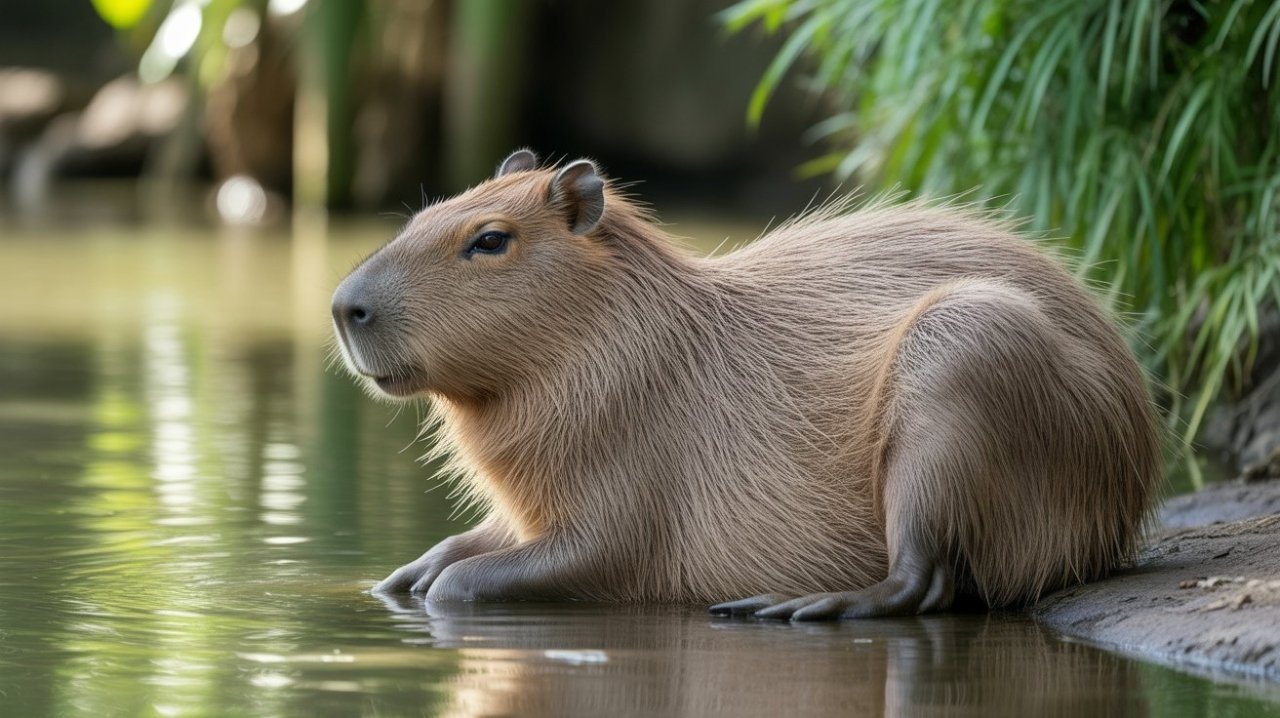
The cadibara is one of the most fascinating animals in the world. Although its name may sound unusual, this creature is actually well known for its calm nature and friendly behavior. Many people are drawn to the cadibara because it looks relaxed almost all the time. In fact, it is often seen sitting quietly near water, enjoying its surroundings. Because of this peaceful lifestyle, it has become a favorite among animal lovers. In this article, you will learn everything about the cadibara, including its habitat, behavior, diet, and importance. Moreover, you will discover why this gentle animal continues to capture hearts across the globe.
What Is a cadibara?
A cadibara is the largest rodent in the world. Even though rodents are often thought of as small animals like mice, this is not the case here. In contrast, a cadibara can grow quite large, sometimes reaching the size of a medium dog. It has a heavy body, short legs, and a blunt nose. Additionally, its fur is usually brown, which helps it blend into natural environments.
Furthermore, the cadibara is known for its calm personality. Unlike many wild animals, it rarely shows aggression. Instead, it prefers to stay relaxed and peaceful. Because of this, it often gets along well with other animals. As a result, it is sometimes seen resting beside birds, monkeys, or even predators without fear.
Where cadibara Lives
The cadibara is mainly found in South America. It lives in countries such as Brazil, Argentina, Venezuela, and Colombia. However, it does not live just anywhere. Instead, it prefers areas close to water. For example, rivers, lakes, marshes, and wetlands are ideal places for this animal.
Water plays a very important role in the life of a cadibara. Not only does it use water to stay cool, but it also relies on it for safety. When danger appears, the cadibara can quickly jump into the water and hide. In addition, it can stay underwater for several minutes, which helps it avoid predators.
Moreover, grassy areas near water are essential. Since the cadibara eats plants, it needs easy access to fresh grass. Therefore, habitats with both water and vegetation are perfect for its survival.
Physical Features
The cadibara has several unique physical features that make it easy to recognize. First of all, it has a large, round body covered in coarse fur. Its fur is not very thick, but it dries quickly after swimming. This is very useful because the cadibara spends a lot of time in water.
Another important feature is its webbed feet. These help the cadibara swim efficiently. As a result, it can move quickly through rivers and lakes. In addition, its eyes, ears, and nose are located high on its head. Because of this, it can stay mostly underwater while still being able to see, hear, and breathe.
Furthermore, the cadibara has strong teeth that keep growing throughout its life. Therefore, it must constantly chew on plants to keep them from becoming too long.
Behavior and Social Life
One of the most interesting things about the cadibara is its social behavior. Unlike many animals that prefer to live alone, the cadibara enjoys being in groups. These groups can have 10 to 20 members, and sometimes even more.
In these groups, there is usually a dominant male, several females, and their young. The group works together to stay safe. For example, while some members rest, others keep watch for danger. This teamwork helps them survive in the wild.
Moreover, the cadibara communicates using sounds such as whistles, barks, and clicks. These sounds help them stay connected with each other. In addition, they often groom one another, which strengthens their bonds.
Because of their friendly nature, cadibaras are known to interact peacefully with other animals. This behavior is quite rare in the wild. As a result, they are often seen as symbols of harmony.
Diet and Eating Habits
The cadibara is a herbivore, which means it eats only plants. Its diet mainly includes grass, aquatic plants, and fruits. Since grass is its primary food, it spends a lot of time grazing.
Interestingly, the cadibara has a special digestive system. This system helps it break down tough plant materials. In addition, it practices a behavior known as re-ingestion. This means it eats some of its food more than once to get maximum nutrients. Although this may sound strange, it is very helpful for survival.
Furthermore, the cadibara usually eats during the early morning and late evening. During the hottest part of the day, it rests near water to stay cool.
Importance in the Ecosystem
The cadibara plays an important role in its environment. First of all, it helps control plant growth by eating large amounts of vegetation. As a result, it prevents overgrowth and keeps ecosystems balanced.
In addition, it serves as food for predators such as jaguars, anacondas, and caimans. Therefore, it is an important part of the food chain. Without the cadibara, these predators would struggle to find enough food.
Moreover, its presence supports other animals. For example, birds often sit on its back and eat insects from its fur. This relationship benefits both animals. While the birds get food, the cadibara gets cleaned.
Relationship with Humans
Humans have had a long relationship with the cadibara. In some areas, it is hunted for meat and skin. However, in many places, it is protected because of its importance in nature.
Additionally, the cadibara has become popular on the internet. Many videos and pictures show it relaxing with other animals. Because of this, it is often seen as a symbol of peace and friendliness.
In some countries, people even keep cadibaras as pets. However, this is not always a good idea. Since they are social animals, they need companionship and space. Without proper care, they may become unhappy.
Threats and Conservation
Although the cadibara is not currently endangered, it still faces several threats. Habitat loss is one of the biggest problems. As forests and wetlands are destroyed, the cadibara loses its home.
In addition, hunting can reduce its population in some areas. Therefore, conservation efforts are important. Protected areas and wildlife laws help ensure that the cadibara continues to thrive.
Moreover, education plays a key role. When people understand the importance of this animal, they are more likely to protect it.
Fun Facts About cadibara
The cadibara is full of surprises. For example, it is an excellent swimmer and can even sleep in water. In addition, it has a very calm personality, which makes it unique among wild animals.
Another interesting fact is that it enjoys hot springs in some regions. Groups of cadibaras can often be seen relaxing together in warm water. This behavior has made them famous worldwide.
Furthermore, baby cadibaras are very active shortly after birth. They can walk, swim, and eat grass within a few days. Because of this, they adapt quickly to their environment.
Why cadibara Is So Loved
There are many reasons why people love the cadibara. First of all, its calm nature makes it easy to admire. Unlike aggressive animals, it shows a peaceful way of living.
In addition, its social behavior is inspiring. It lives in harmony with others and rarely causes conflict. Because of this, it is often seen as a role model for cooperation.
Moreover, its unique appearance makes it stand out. Its large size, gentle eyes, and relaxed posture create a charming image. As a result, it continues to gain popularity around the world.
Conclusion
The cadibara is truly a remarkable animal. It is not only the largest rodent but also one of the most peaceful creatures in the wild. From its unique physical features to its social lifestyle, every aspect of its life is fascinating.
Moreover, it plays an important role in maintaining balance in its ecosystem. At the same time, it teaches us valuable lessons about calmness and cooperation. Therefore, protecting the cadibara and its habitat is essential.
In conclusion, the cadibara is more than just an animal. It is a symbol of peace, friendship, and harmony. As more people learn about it, its popularity will continue to grow.