
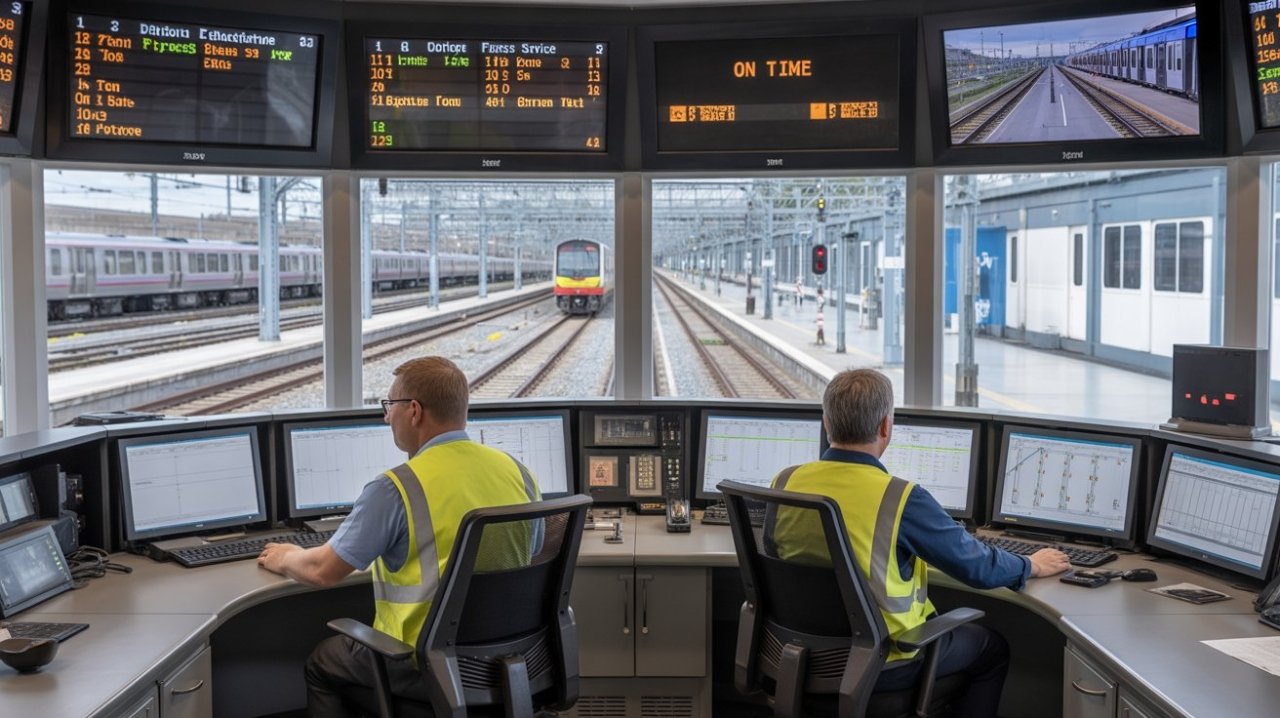
The world of rail transport is both complex and fascinating. At the heart of this intricate system lies the Rail Operating Centre (ROC), a vital hub that ensures smooth operations across railway networks. Far more than just a control room, ROCs play an essential role in maintaining safety, efficiency, and punctuality on the tracks.
As trains crisscross vast distances, managing schedules and responding to unexpected challenges can be daunting. The ROC acts as the nervous system of railway operations—monitoring real-time data, coordinating movements, and making split-second decisions that keep everything running seamlessly. Join us as we explore what makes these centres indispensable for modern railway management!
What is the Purpose of a ROC?
The primary purpose of a Rail Operating Centre (ROC) is to oversee and manage train operations effectively. It acts as the nerve center for railway activities, ensuring trains run smoothly and safely.
ROCs coordinate various aspects of rail transport, including scheduling, monitoring train movements, and responding to incidents. This centralized approach enhances communication among different departments within the railway system.
By integrating technology into their operations, ROCs can optimize timetables and improve service reliability. They help reduce delays by quickly addressing any disruptions that may arise during operation.
Furthermore, ROCs play a vital role in safety management. Trained personnel monitor real-time data to ensure all protocols are followed diligently. This proactive stance helps minimize accidents or operational failures on the tracks, ultimately benefiting passengers and freight services alike.
Functions and Responsibilities of a ROC
A Rail Operating Centre (ROC) plays a crucial role in the daily operations of railway systems. It acts as the nerve center for traffic management and control, ensuring trains run smoothly and on time.
One key function is real-time monitoring of train movements. This allows operators to respond quickly to any disruptions or delays that may arise.
Additionally, ROCs manage communication between various stakeholders. Train drivers, station staff, and maintenance teams rely on accurate information to maintain safety and efficiency.
Another responsibility is coordinating infrastructure maintenance schedules. By aligning these activities with train operations, ROCs minimize service interruptions.
Moreover, they analyze data trends related to passenger demand and operational performance. This analysis helps in making informed decisions about service improvements and resource allocation.
ROCs oversee crisis management protocols when emergencies occur. Their ability to react swiftly can significantly reduce risks associated with unexpected incidents.
Advantages of Using a ROC in Railway Management
A Rail Operating Centre (ROC) transforms railway management, enhancing efficiency and safety. By centralizing control, it streamlines operations across multiple lines.
Real-time monitoring allows for quick decision-making. This agility helps to minimize delays and improve service reliability.
Another key advantage is improved communication between different stakeholders. ROCs facilitate effective coordination among train operators, maintenance teams, and emergency services.
Data-driven insights from a ROC enhance predictive maintenance strategies. Such approaches proactively address issues before they escalate into significant problems.
Moreover, the use of advanced technology within ROCs leads to optimized resource allocation. Trains are dispatched more effectively, maximizing their operational potential while reducing costs.
Passenger experience significantly benefits as well. Timely updates about train schedules keep travelers informed and satisfied with their journeys.
Challenges Faced by ROCs
Rail Operating Centres (ROCs) play a crucial role in managing railway operations, but they face numerous challenges. One significant hurdle is the integration of technology. Keeping up with advancements while ensuring compatibility across various systems can be daunting.
Human factors also present issues. Staff training and retention are vital for effective operation, yet high turnover rates can disrupt continuity and knowledge transfer. Moreover, the pressure to make quick decisions during emergencies further complicates matters.
Communication between ROCs and external stakeholders often leads to misunderstandings. Coordinating with different train operating companies requires clear lines of communication that aren’t always established.
Additionally, budget constraints occasionally hinder investment in necessary upgrades or staffing levels. This limits their ability to function at optimal capacity amidst growing demands for reliability and efficiency in rail transport.
The Future of Railway Management: Role of ROCs
As railway networks evolve, Rail Operating Centres (ROCs) are set to play an even more pivotal role. Their integration with cutting-edge technology will enhance real-time data analysis and decision-making.
Smart systems powered by artificial intelligence can predict delays and optimize train schedules, allowing for smoother operations. This shift not only improves efficiency but also boosts passenger satisfaction.
Collaboration between ROCs and other transportation modes is becoming crucial. Seamless connectivity fosters an integrated transport network, making commuting easier for everyone involved.
Sustainability also emerges as a key focus area. By optimizing routes and reducing energy consumption, ROCs contribute significantly to greener railways.
The future of railway management hinges on the ability of ROCs to adapt quickly. As they embrace innovation, their influence in shaping modern rail travel becomes undeniable.
Conclusion
The Rail Operating Centre (ROC) plays a pivotal role in modern railway management. It serves as the nerve center for train operations, ensuring that services run smoothly and safely. With its strategic functions and responsibilities, ROCs enhance efficiency, improve communication among stakeholders, and ultimately contribute to better passenger experiences.
Despite facing challenges such as technological integration and resource allocation, ROCs continue to evolve. They adapt to new technologies and methodologies to meet growing demands for efficient rail services. The future of railway management will undoubtedly see an even greater reliance on these centers as they integrate more advanced systems.
As the transportation landscape changes, so too will the importance of Rail Operating Centres in maintaining safety and operational effectiveness across rail networks globally. Their ability to streamline processes while addressing real-time issues is crucial for sustaining growth in this vital industry sector.