
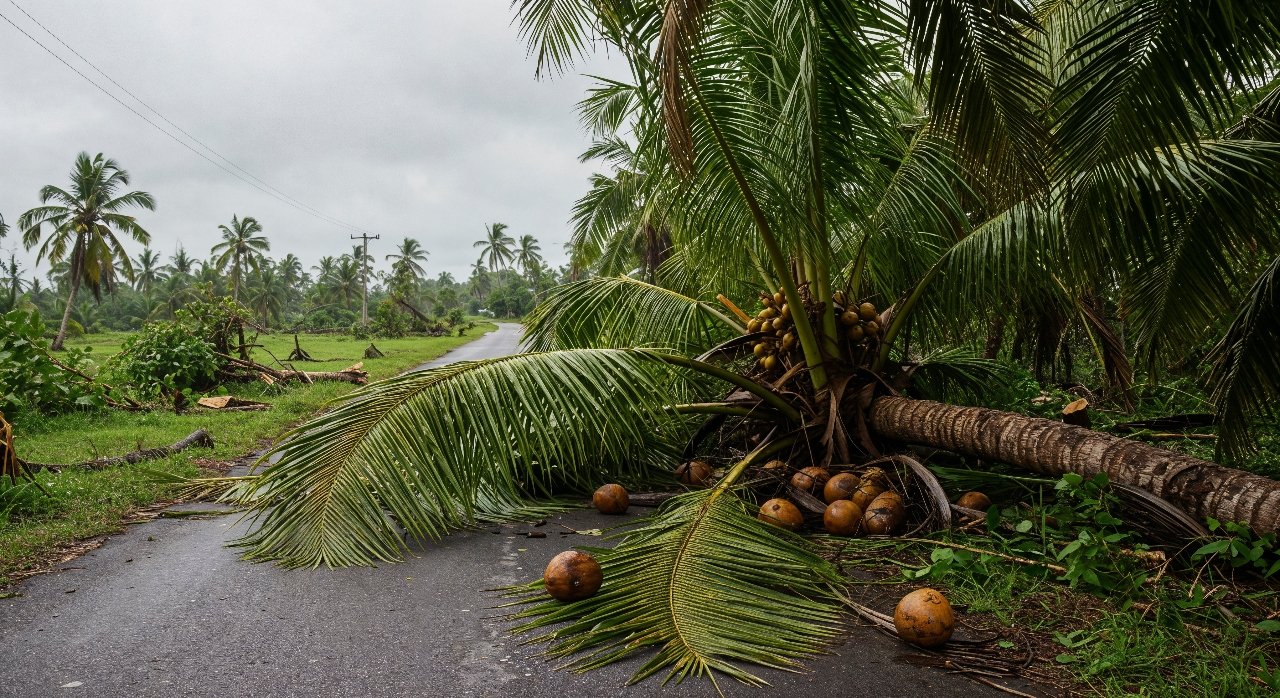
The world is constantly seeking innovative solutions to combat environmental challenges. One such groundbreaking idea is the Oil Palm Waste Used Lamp Project. Imagine transforming what would typically be waste from oil palm plantations into sustainable, eco-friendly lamps that illuminate homes and communities. This project not only addresses a pressing waste management issue but also promotes renewable energy in an imaginative way. As we delve deeper into this exciting initiative, you’ll discover how it brings light—literally and figuratively—to both our lives and the planet’s future.
The Problem of Waste from Oil Palm Plantations
Oil palm plantations contribute significantly to global economies, but they also generate an alarming amount of waste. Every year, millions of tons of by-products are produced during the processing of oil palm fruit.
These residues often include empty fruit bunches, palm kernel cake, and fronds. Instead of being managed sustainably, much of this waste ends up in landfills or is burned. This leads to environmental degradation and air pollution.
The decomposition process releases methane gases into the atmosphere, further exacerbating climate change issues. Local ecosystems can also suffer as valuable nutrients are lost when waste isn’t utilized properly.
With increasing pressures on land use and a growing population demanding sustainable solutions, addressing oil palm waste has never been more critical. Finding innovative ways to repurpose these materials could redefine how we see agricultural by-products altogether.
The Concept of Using Oil Palm Waste to Create Lamps
The oil palm industry produces a significant amount of waste, including empty fruit bunches and palm kernel shells. Instead of letting this byproduct go to waste, innovative thinkers have transformed it into something useful: lamps.
These lamps are crafted from compressed oil palm waste materials. The process involves taking the fibrous remnants and processing them into a sustainable fuel source for lighting. This not only reduces landfill contributions but also embraces renewable energy principles.
By harnessing what was once discarded, these eco-friendly lamps shine brightly while minimizing environmental impact. They serve as a reminder that waste can be reimagined in creative ways.
Imagine illuminating your space with light generated from agricultural leftovers! It’s an inspiring thought that connects sustainability with everyday living. These lamps offer both functionality and style, proving that green solutions can seamlessly blend into modern decor.
Benefits of the Oil Palm Waste Used Lamp Project
The Oil Palm Waste Used Lamp Project brings several significant benefits to communities and the environment. First, it transforms agricultural waste into a valuable resource. This not only reduces landfill contributions but also promotes sustainable practices.
Using oil palm waste for lamps provides an eco-friendly lighting solution. These lamps emit less carbon dioxide compared to traditional options, contributing positively to climate change mitigation efforts.
Additionally, this project supports local economies by creating job opportunities in lamp production and distribution. Skilled artisans can step in to craft unique designs that reflect cultural heritage while promoting sustainability.
Furthermore, it raises awareness about renewable energy sources among local populations. Education on utilizing waste materials fosters innovative thinking and inspires other green initiatives within the community.
This project exemplifies how creative solutions can address environmental challenges while providing economic benefits across various sectors.
Challenges and Solutions in Implementing the Project
Implementing the oil palm waste used lamp project comes with its own set of challenges. One significant hurdle is the initial funding required for research and development. Many entrepreneurs may struggle to secure financial support.
Another challenge lies in technology adaptation. Transforming agricultural waste into usable materials demands specialized techniques that may not be widely available in every region.
Awareness among local communities also poses an obstacle. People need to understand the benefits of this eco-friendly initiative before they can fully embrace it.
To overcome these issues, partnerships with universities or research institutions can be beneficial. Collaborative efforts often lead to innovative solutions and shared resources.
Engaging community leaders can foster greater awareness and acceptance as well. By involving locals from the outset, stakeholders help build trust and enthusiasm around this sustainable approach.
Success Stories and Impact of the Project
The Oil Palm Waste Used Lamp Project has sparked inspiring stories across various communities. In Indonesia, small villages have transformed their agricultural residue into beautiful lamps that illuminate homes and streets. This initiative not only provides light but also fosters local craftsmanship.
In Malaysia, the project has reduced waste significantly in oil palm plantations. Farmers have embraced this sustainable practice, creating a circular economy that benefits both the environment and their livelihoods.
Moreover, schools are now incorporating these lamps into educational programs about sustainability. Children learn to appreciate renewable resources while engaging in hands-on production activities.
These success stories highlight the project’s potential beyond just lighting spaces; it empowers communities and promotes environmental stewardship. The positive ripple effects continue to encourage other regions to adopt similar eco-friendly initiatives, making a lasting impact on sustainability efforts around the globe.
How Individuals Can Support and Promote this Eco-Friendly Idea
Supporting the oil palm waste used lamp project can start at a personal level. Individuals can spread awareness by sharing information on social media platforms. Creating engaging posts helps educate others about this innovative solution.
Participating in local workshops or community events centered around sustainable practices also makes a difference. These gatherings provide opportunities to learn more and connect with like-minded individuals.
Consider purchasing lamps made from oil palm waste when available. Supporting businesses that prioritize eco-friendly products encourages further development of green technologies.
Volunteering for organizations focused on sustainability initiatives amplifies your impact. Hands-on involvement not only benefits the environment but also fosters a sense of community.
Advocating for policies that promote waste-to-energy projects can drive significant change. Writing letters to local representatives or signing petitions ensures that these ideas gain the attention they deserve.
Conclusion
The Oil Palm Waste Used Lamp Project stands as a beacon of innovation in the realm of sustainability and renewable energy. By transforming what would typically be discarded into functional lighting solutions, this project not only addresses waste management issues but also promotes eco-friendly practices within communities.
As we navigate the challenges posed by climate change and environmental degradation, initiatives like this offer a tangible way to make a difference. They showcase how creativity can turn problems into opportunities for growth and development.
Support for such projects is vital. Individuals can contribute by spreading awareness, participating in local workshops, or even advocating for policies that encourage sustainable practices. Every small action counts toward creating a brighter future—both literally and figuratively.
Exploring new avenues like the oil palm waste used lamp project reveals an exciting path forward, one where sustainability meets practicality. Engaging with these ideas fuels progress toward cleaner energy solutions while fostering community involvement and responsibility towards our environment.