
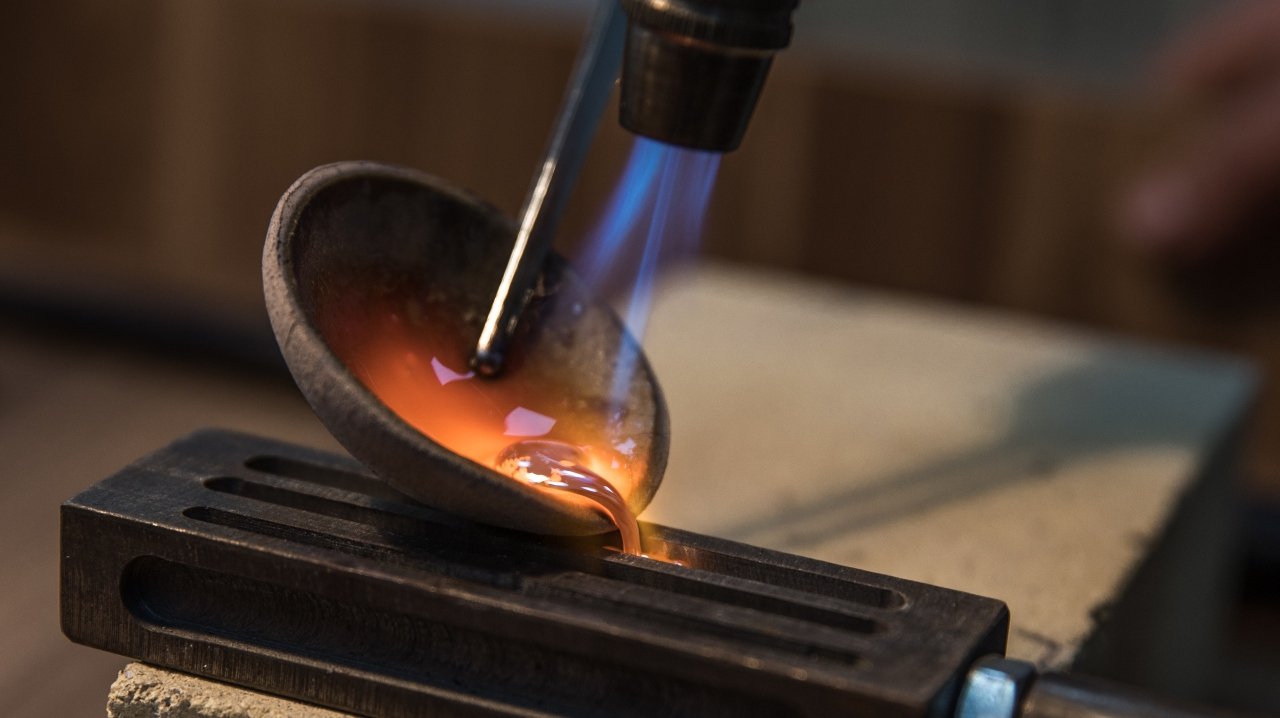
D2 steel is often hailed as a go-to material for those who demand durability and performance. Whether you’re in the woodworking industry or crafting high-quality knives, understanding D2 steel can give you a significant edge. Its unique blend of properties makes it an attractive choice for various applications, but what exactly sets this tool steel apart? From its chemical composition to its heat treatment methods, knowing the ins and outs of D2 steel will empower you to make informed decisions on your projects. Let’s dive into the fascinating world of D2 steel and uncover everything you need to know about this remarkable material.
Chemical Composition of D2 Steel
D2 steel is known for its high carbon and chromium content, making it a favorite among toolmakers. The typical composition includes around 1.5% carbon, which contributes to its hardness.
Chromium makes up about 11-12%. This element enhances wear resistance and hardenability. Molybdenum may also be present, adding further strength and toughness.
Trace elements like manganese and silicon play essential roles too. They help improve the machinability of D2 steel while maintaining overall integrity during machining processes.
The precise balance of these elements defines D2’s performance characteristics in various applications. Understanding this composition helps manufacturers select the right material for specific uses without compromising quality or durability.
Physical Properties of D2 Steel
D2 steel is known for its remarkable physical properties, making it a popular choice in various applications. One of its standout features is excellent wear resistance. This characteristic enables tools made from D2 to withstand heavy use without significant degradation.
Its hardness rating typically falls between 55 and 62 HRC. This range provides an ideal balance between toughness and edge retention. The high carbon content contributes significantly to this hardness.
Additionally, D2 steel exhibits good dimensional stability during machining processes, which means it maintains shape under stress or heat. It also has decent corrosion resistance, although not as high as some stainless steels.
When considering thermal conductivity, D2 shows moderate performance. While it doesn’t excel in heat dispersion like other alloys, it still manages temperature changes effectively during operations. These traits combined make D2 a versatile material for industrial and manufacturing needs.
Mechanical Properties of D2 Steel
D2 steel is renowned for its impressive mechanical properties. It boasts excellent hardness, typically ranging from 55 to 62 HRC after heat treatment. This high hardness level makes it ideal for cutting tools and dies.
Its tensile strength is another notable feature. D2 can withstand considerable stress without permanent deformation, enhancing its durability in demanding applications. The yield strength of this steel type ensures that it maintains shape under heavy loads.
Moreover, D2 exhibits good wear resistance, allowing tools made from it to endure prolonged use without significant degradation. This property is a game-changer in manufacturing environments where precision matters.
Flexibility isn’t the strongest suit of D2 steel; however, its toughness compensates with remarkable resilience against impact forces. This balance allows it to perform well even in challenging conditions while minimizing the risk of fracture or chipping during operation.
Heat Treatment of D2 Steel
Heat treatment is crucial for enhancing the performance of D2 steel. The process typically involves hardening, tempering, and sometimes annealing.
To begin with, hardening D2 steel requires heating it to a temperature range between 1,850°F and 1,950°F. This step transforms the structure into austenite. Rapid cooling follows in oil or air to create martensite, which provides exceptional hardness.
Next comes tempering. By reheating the hardened steel to temperatures between 350°F and 500°F, you can relieve internal stresses while maintaining significant hardness. This stage also helps improve toughness.
Some craftsmen choose to anneal D2 steel as well. Heating it slowly allows for stress relief and eases machining tasks later on.
Each heat treatment phase serves distinct purposes that significantly affect wear resistance and overall durability in various applications. Understanding these processes empowers users to maximize the advantages of this versatile material.
Advantages and Applications of D2 Steel
D2 steel is renowned for its versatility and durability. It boasts exceptional wear resistance, making it an ideal choice for tools that experience heavy friction. This property ensures a longer lifespan compared to other materials.
Industries frequently use D2 steel in manufacturing cutting tools, dies, and molds. Its ability to retain sharp edges under stress is crucial in production environments where precision matters.
Beyond cutting applications, D2’s toughness allows it to withstand harsh conditions without deforming or breaking. This makes it suitable for industrial machinery parts as well.
Another advantage lies in its relatively easy heat treatment process, allowing manufacturers to tailor the hardness according to specific needs. As a result, D2 steel can be optimized for various tasks across multiple sectors like automotive and aerospace.
Craftsmen also appreciate its workability when forging and machining components. Whether you’re crafting custom knives or specialized equipment, D2 offers reliability you can trust.
Common Misconceptions about D2 Steel
Many people mistakenly believe that D2 steel is stainless. While it does contain chromium, which offers some corrosion resistance, it’s not entirely rustproof. Proper care, like regular oiling, is essential to prevent oxidation.
Another misconception is that D2 steel is too brittle for heavy-duty applications. In reality, when heat-treated correctly, it balances hardness and toughness effectively. This makes it suitable for various demanding uses.
Some also think all tool steels are the same. Each type has unique properties tailored for specific tasks. D2’s high carbon content gives it exceptional wear resistance but may not be ideal for every application.
There’s a belief that sharpening D2 steel tools is overly complicated due to its hardness. With the right techniques and tools, such as diamond sharpeners or ceramic rods, achieving a razor-sharp edge becomes manageable even for novice users.
Conclusion
D2 steel is a remarkable tool steel known for its superior performance in various applications. Its unique chemical composition provides excellent wear resistance, making it an ideal choice for manufacturing cutting tools and dies.
With its distinguished physical properties such as high hardness and dimensional stability, D2 steel remains a popular selection among engineers and manufacturers alike. The mechanical attributes further enhance its appeal, allowing it to withstand heavy loads without deformation.
Heat treatment is crucial in unlocking the full potential of D2 steel. Properly executed heat treatment processes can significantly improve hardness while maintaining toughness, ensuring longevity in demanding environments.
The advantages of using D2 steel extend beyond just durability; it also offers versatility across industries ranging from automotive to aerospace. However, understanding common misconceptions about this material can help users make informed decisions regarding their projects and applications.
The combination of properties that D2 steel possesses makes it a strong candidate for anyone seeking reliable performance in their tooling needs.