
Ciulioneros is a term that sparks curiosity. Many people encounter this word online or in conversations and immediately wonder what it means. The truth is, Ciulioneros carries multiple layers of meaning depending on where you find it. For some, it represents a deep-rooted cultural tradition filled with colorful costumes and rhythmic dances. For others, it has become a modern internet phenomenon that blends humor, nostalgia, and community spirit. Understanding Ciulioneros requires exploring both its traditional origins and its contemporary evolution. This article unpacks everything you need to know about Ciulioneros in a way that is simple, clear, and engaging for anyone to understand.
The Traditional Roots of Ciulioneros
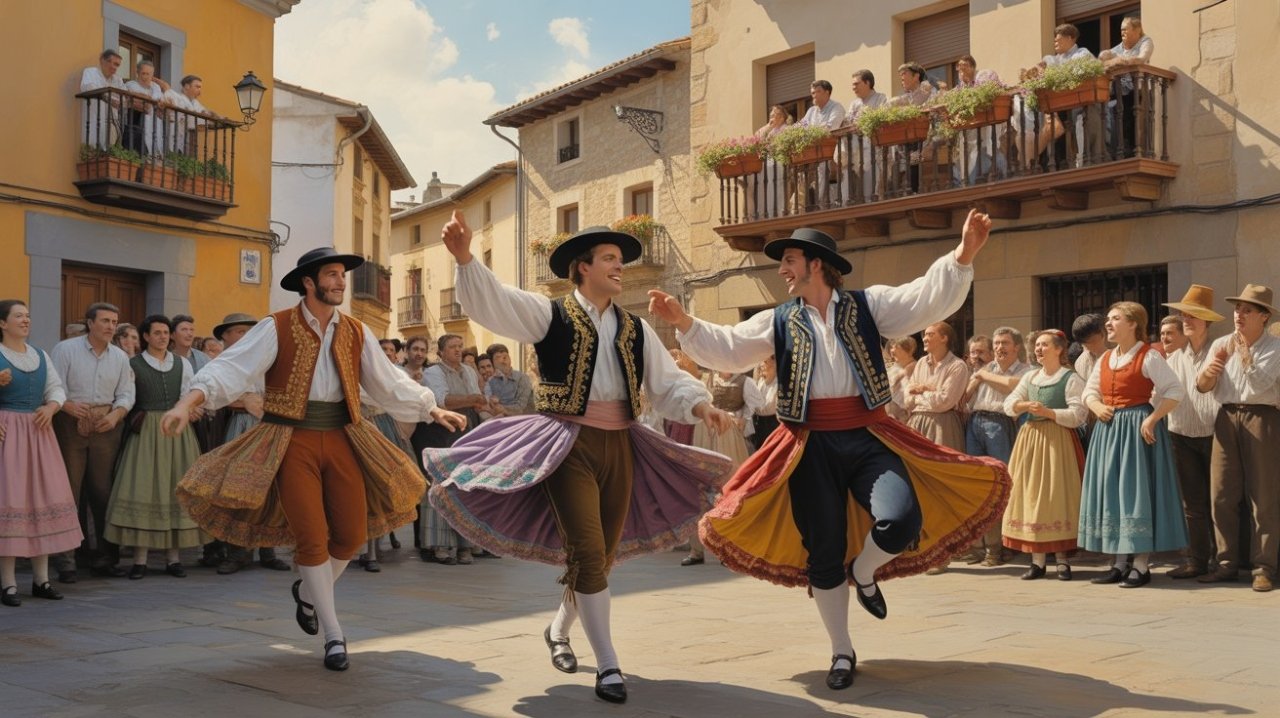
In many regions, particularly within Mexican cultural heritage, Ciulioneros refers to a tradition involving masked performers and vibrant celebrations. These performers often participate in festivals that honor local saints or mark important agricultural seasons. The costumes are typically handmade, featuring intricate embroidery, bright fabrics, and symbolic masks that represent animals, ancestors, or spiritual figures. Music plays a central role, with drums, flutes, and string instruments guiding the dancers through elaborate routines. Families pass down these traditions through generations, ensuring that the knowledge of how to craft the costumes, perform the dances, and uphold the rituals never fades. For communities that celebrate Ciulioneros, this tradition represents identity, pride, and a connection to history that modern life cannot replace.
The Symbolism Behind the Masks and Costumes
Every element of the Ciulioneros costume carries meaning. The masks, often carved from wood or molded from leather, represent a connection between the human world and the spiritual realm. Some masks depict animals like jaguars or eagles, symbolizing strength and freedom. Others show the faces of ancestors, reminding the community that those who came before still watch over them. The costumes themselves feature colors with specific meanings. Red often represents life and sacrifice, while green stands for hope and renewal. Yellow appears as a symbol of the sun and energy. When a Ciulioneros performer puts on the full costume, they are not merely dressing up. They are stepping into a role that bridges past and present, carrying the weight of tradition while bringing joy to those who watch.
The Role of Music and Dance
Without music, the Ciulioneros tradition would lose its heartbeat. Musicians positioned at the center of the celebration provide the rhythm that guides every movement. The drum patterns often change throughout the day, signaling different phases of the festival. Fast, energetic beats encourage dancers to showcase their athleticism with leaps and spins. Slower, more deliberate rhythms accompany moments of reflection or storytelling. The dancers themselves often learn specific choreographies that have remained unchanged for decades. Each step, turn, and gesture tells a part of a larger story. In this way, the music and dance of Ciulioneros function as a living library, preserving history in motion for anyone willing to watch and learn.
Ciulioneros as a Community Celebration
One of the most beautiful aspects of the Ciulioneros tradition is its community-centered nature. These celebrations rarely happen without the involvement of nearly everyone in town. Families prepare food for weeks in advance, cooking traditional dishes to share with visitors and performers alike. Artisans dedicate months to crafting new costumes or repairing old ones. Elders gather to teach younger generations the proper way to perform the dances. Children watch with wide eyes, dreaming of the day they will be old enough to join the ranks of the Ciulioneros themselves. In this way, the tradition does more than entertain. It strengthens community bonds, gives people a shared purpose, and creates memories that last a lifetime.
How Ciulioneros Has Evolved in Modern Times
As with many cultural traditions, Ciulioneros has not remained frozen in time. Younger generations have found ways to incorporate modern elements while still respecting the roots of the practice. Some communities now use social media to share videos of their celebrations, allowing people around the world to witness the beauty of Ciulioneros for the first time. Others have begun experimenting with new costume materials or incorporating contemporary music styles alongside traditional instruments. These changes sometimes spark debate among purists who worry about losing authenticity. However, most agree that as long as the core values of community, heritage, and celebration remain intact, the tradition can evolve without losing its soul.
The Rise of Ciulioneros in Internet Culture
In recent years, the term Ciulioneros has taken on a new life online. Social media platforms like TikTok, Twitter, and Instagram have seen the term used in memes, jokes, and viral videos. In this context, Ciulioneros often refers to a specific style of humor or an inside joke among certain online communities. Some users employ the term to describe absurd or unexpected situations. Others use it as a badge of identity, signaling membership in a particular subculture. This digital evolution has introduced Ciulioneros to audiences who may never have encountered the traditional version. For better or worse, the term now carries multiple meanings that can sometimes create confusion between those who know it as a cultural tradition and those who know it as an internet meme.
The Linguistic Roots of the Term
Language offers clues about where Ciulioneros comes from. Some linguists trace the term to Spanish slang with roots in the word “culioneros,” which carries certain informal connotations. Over time, online communities modified the spelling and usage, transforming the term into something new. This kind of linguistic evolution happens frequently in the digital age, where words can shift meaning overnight based on how they are used in memes or viral posts. For those studying language, Ciulioneros serves as a fascinating case study in how traditional words can be reclaimed, repurposed, and reintroduced to entirely new audiences.
Ciulioneros as a Creative Movement
Beyond the traditional festival and the internet meme, Ciulioneros has also emerged as a label for a broader creative movement. Artists, musicians, and designers have adopted the term to describe their collaborative projects. This version of Ciulioneros emphasizes experimentation, community-driven creation, and breaking down barriers between different art forms. Painters work alongside poets, musicians collaborate with digital creators, and everyone involved shares a commitment to pushing creative boundaries. In this sense, Ciulioneros represents not just a tradition or a joke, but a philosophy about how art can bring people together.
The Artisans Behind the Tradition
Behind every Ciulioneros costume lies the skilled hands of artisans who dedicate their lives to preserving traditional crafts. Mask makers spend years learning to carve wood without cracking it, to paint with natural pigments that resist fading, and to shape leather so it fits the human face comfortably. Weavers practice for decades to perfect the patterns that decorate the costumes, often working on a single piece for months. These artisans rarely seek fame or recognition. Their reward comes from seeing their work worn proudly during celebrations and knowing that they have contributed to something larger than themselves. Without their dedication, the visual splendor of Ciulioneros would simply not exist.
The Importance of Passing Down Knowledge
Elders in Ciulioneros communities carry enormous responsibility. They hold the knowledge of how to perform the dances correctly, which songs belong to which ceremonies, and what each mask symbolizes. Passing this knowledge to younger generations requires patience and intentionality. Many communities have established formal mentorship programs where experienced performers work one-on-one with young people interested in learning. Others rely on family traditions, with grandparents teaching grandchildren through direct participation. In either case, the survival of the Ciulioneros tradition depends entirely on this transfer of knowledge. When a community loses its elders without passing their wisdom forward, pieces of the tradition disappear forever.
Ciulioneros and Cultural Identity
For many people, identifying as a Ciulioneros performer or being part of a community that celebrates this tradition forms a core part of their cultural identity. It connects them to their ancestors, to their hometown, and to a way of life that resists the homogenizing forces of globalization. In a world where so many cultural practices fade away, Ciulioneros stands as a statement that some traditions are worth preserving. Young people who participate often speak of feeling grounded, of knowing exactly where they come from even as they navigate modern life. This sense of identity proves especially valuable for those who have moved away from their communities but still want to maintain ties to their heritage.
Misunderstandings and Controversies
With multiple meanings attached to the term Ciulioneros, misunderstandings inevitably arise. Some who encounter the term online assume it refers only to the internet meme, unaware of the deep cultural tradition behind it. Others familiar with the traditional celebration feel frustrated when they see the term used in ways they consider disrespectful. These tensions highlight the challenges of sharing culture in a digital world where context often disappears. However, they also create opportunities for education. Many people who first encountered Ciulioneros through memes have gone on to learn about the traditional celebrations, developing a deeper appreciation for the richness of the culture they discovered by accident.
The Future of Ciulioneros
Looking ahead, the future of Ciulioneros seems likely to involve continued evolution alongside preservation. Traditional celebrations will continue as long as communities invest in passing knowledge to younger generations. At the same time, the term will probably remain active in internet culture, taking on new meanings as online communities evolve. The challenge lies in maintaining respect for the traditional roots while allowing space for creative reinterpretation. Those who care deeply about the tradition can help by sharing accurate information, celebrating the artisans and performers who keep it alive, and welcoming newcomers who approach with genuine curiosity rather than casual dismissal.
How to Experience Ciulioneros Respectfully
If you want to experience Ciulioneros, whether the traditional celebration or the creative movement, approaching with respect makes all the difference. For the traditional version, attending a festival in a community where it is celebrated offers the most authentic experience. Before attending, take time to learn about the history and significance of what you will see. Ask permission before taking photographs, especially of masked performers who may consider their costumes sacred. Support local artisans by purchasing handmade goods if they are offered for sale. For the creative movement version, engage with artists and creators on their own terms, appreciating the collaborative spirit that defines their work. In either case, approaching with humility and a willingness to learn will enrich your experience and show respect for those who make Ciulioneros what it is.
Conclusion
Ciulioneros is far more than a single word with a single meaning. It represents a vibrant cultural tradition rooted in Mexican heritage, a creative movement bringing artists together, and a fascinating piece of internet culture that continues to evolve. Understanding Ciulioneros means appreciating all of these layers, recognizing that words often carry histories and meanings far beyond their dictionary definitions. Whether you encounter Ciulioneros through a festival filled with music and dance, through the work of artisans preserving ancient crafts, or through a viral meme that makes you laugh, the term invites you to explore something deeper. In doing so, you join a community of people who have discovered that behind this unusual word lies a world of tradition, creativity, and connection waiting to be understood.