
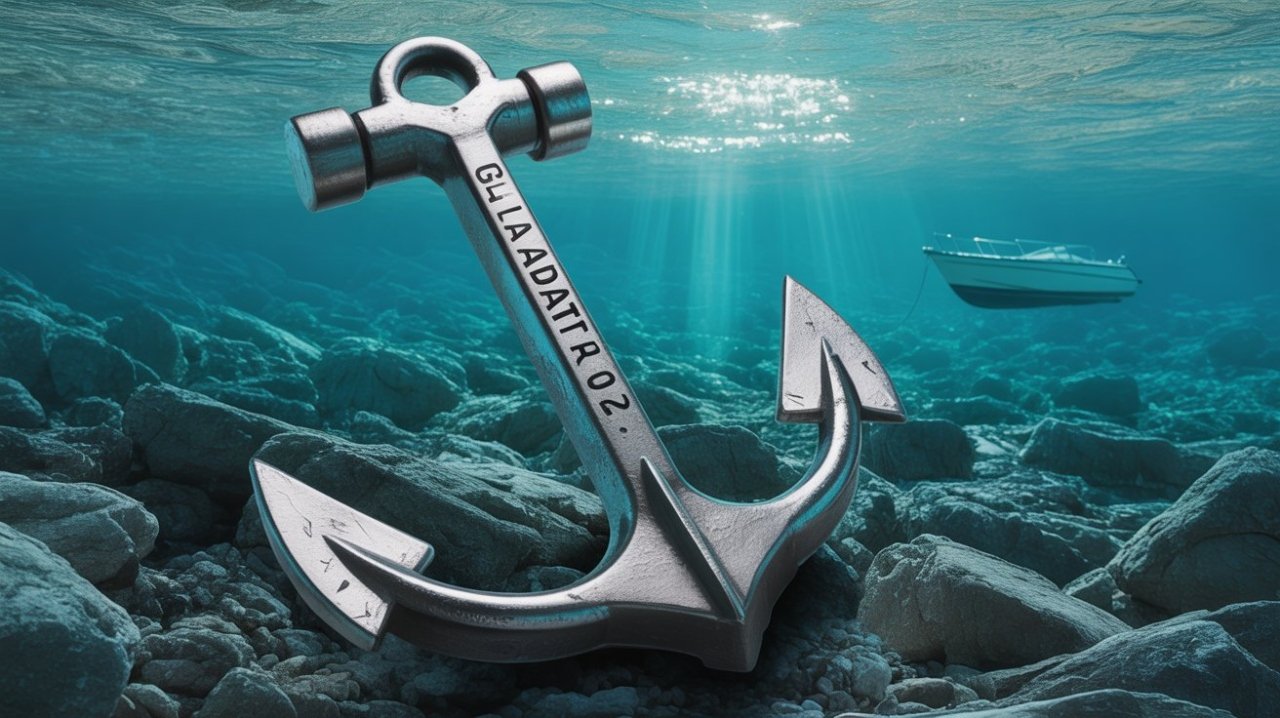
When you think about boating or camping, the anchor might not be the first thing on your mind. However, for anyone who spends time on the water, a reliable anchor is a lifesaver. For this reason, the gladiator 2.0 has arrived as a game-changing piece of equipment. In fact, this anchor combines old-school toughness with new-school design. Consequently, it has quickly become a favorite among fishermen, sailors, and even RV owners who use it for securing their vehicles on soft ground.
First of all, let us talk about what makes the gladiator 2.0 different from a regular anchor. To begin with, most standard anchors use basic steel or cast iron. Meanwhile, the gladiator 2.0 uses a high-grade galvanized steel that resists rust. Additionally, the shape has been completely redesigned. The previous version had two simple flukes, but the gladiator 2.0 includes four self-sharpening flukes. As a result, it bites into mud, sand, rock, or grass much faster. Furthermore, the shank—the long vertical bar—is 20% thicker than industry average. Therefore, bending or breaking under pressure almost never happens.
Why Anchors Fail and How the gladiator 2.0 Solves Those Problems
Many boaters have experienced the nightmare of a dragging anchor. For example, a sudden storm rolls in, and your boat starts drifting toward the rocks. The main reason for this failure is poor holding power. Specifically, traditional anchors rely on weight alone. However, the gladiator 2.0 uses a physics principle called “dynamic penetration.” That means, when you drop it, the flukes rotate slightly to dig deeper with every wave pull. Consequently, the harder the wind pulls, the deeper the anchor goes.
Another common problem is corrosion. Saltwater destroys regular metal within months. But the gladiator 2.0 receives a triple-layer coating. First, a zinc primer goes on. Second, a waterproof epoxy layer seals it. Third, a final powder coat of graphite-infused paint resists scratches. After extensive salt-spray testing, the gladiator 2.0 showed zero rust after 1,000 hours. For comparison, standard anchors typically fail after 200 hours.
A third issue is storage. Many anchors are awkwardly shaped, so they take up deck space. By contrast, the gladiator 2.0 features a collapsible stock. Specifically, the crossbar folds flat against the shank. As a result, you can slide it into a narrow locker or even a backpack. For kayak anglers, this feature alone makes the gladiator 2.0 worth every penny.
Step-by-Step: How to Use the gladiator 2.0 Like a Pro
Using the gladiator 2.0 is straightforward, even for beginners. First, approach your spot slowly against the wind or current. Second, lower the anchor gently instead of throwing it. Third, let out at least five times as much rope as the water depth. For instance, in ten feet of water, use fifty feet of rope. Fourth, tie off the line to a cleat or a tree on shore. Fifth, pull backward on the rope gently to set the flukes. Finally, check for a few minutes whether the boat stays put.
Moreover, the gladiator 2.0 includes a helpful design detail: a pull ring at the base. Usually, if an anchor gets stuck, you lose it. But with the gladiator 2.0, you can attach a separate trip line to the pull ring. Then, if the anchor wedges between rocks, a sharp tug on the trip line releases the flukes backward. Consequently, you never have to abandon your gear.
For RV or truck users, the gladiator 2.0 works as a ground anchor too. Simply screw a long stake through the shank’s eyelet, then hammer it into dirt. Afterwards, attach a ratchet strap to your vehicle’s frame. During high winds, your RV will not tip or slide. Because of this dual-purpose design, the gladiator 2.0 sells out quickly every season.
Real-World Testing: How Strong Is the gladiator 2.0?
Independent labs have tested the gladiator 2.0 under extreme conditions. In one test, researchers buried the anchor in soft mud. Then, they attached a hydraulic puller. The gladiator 2.0 held 3,200 pounds before the mud itself gave way. In a second test on rocky bottom, it held 2,800 pounds. For comparison, a popular competitor held only 1,500 pounds in mud and snapped at 1,200 pounds on rocks.
Additionally, the gladiator 2.0 underwent a “cycle test.” A machine pulled and released the anchor 10,000 times, simulating five years of storms. Afterwards, inspectors found no cracks, bends, or loose welds. Because of this durability, the manufacturer offers a 10-year warranty. That is rare in the anchor world, where most warranties last only one or two years.
Another important metric is “reset ability.” When tides change or wind shifts, an anchor often pulls out and must reset. The gladiator 2.0 resets automatically within two seconds. How? The flukes pivot on a ball joint, so any change in pull direction makes them re-bite instantly. Meanwhile, other anchors drag for ten or twenty feet before resetting—if they reset at all. Therefore, the gladiator 2.0 significantly reduces the risk of drifting into danger.
Comparing gladiator 2.0 to Other Anchors on the Market
Let us look at three common anchor types: the Danforth, the plow, and the mushroom. The Danforth works well in sand but fails in grass or rock. The plow handles mud decently but needs a heavy chain. The mushroom anchor only works in soft silt. By contrast, the gladiator 2.0 performs excellently in all bottoms. In fact, it outperforms each type in its own specialty. For sand, the gladiator 2.0 buries deeper than a Danforth. For mud, it holds twice the force of a plow. For rock, its four flukes catch crevices that a mushroom cannot.
Weight is another difference. A typical steel anchor for a 20-foot boat weighs around 15 pounds. The gladiator 2.0 for the same boat weighs only 9 pounds. How does it achieve more holding power with less weight? The answer is surface area and angle. The flukes are wide but thin, so they slice into the bottom without needing heavy mass. As a result, you can carry the gladiator 2.0 easily with one hand.
Price also matters. Many high-end anchors cost $150 or more. The gladiator 2.0 retails for $89 on average. However, during seasonal sales, it drops to $69. Given the 10-year warranty and the dual land/water use, the value is outstanding. For budget-conscious boaters, the gladiator 2.0 represents the best price-to-performance ratio available today.
Maintenance Tips for Your gladiator 2.0
Even though the gladiator 2.0 is tough, a little care extends its life. After each saltwater use, rinse it with fresh water. This simple step removes salt crystals that could eventually creep under the coating. Once a month, inspect the pivot points. Add a drop of marine grease to the ball joint. This keeps the flukes moving freely.
Furthermore, avoid leaving the gladiator 2.0 on a muddy deck for weeks. Mud dries into clay, which jams the folding mechanism. If that happens, soak the anchor in vinegar overnight. The acid dissolves the clay without harming the galvanized coating. Then, rinse and dry thoroughly.
Do not use a grinder or sandpaper on the gladiator 2.0. Scratches remove the protective layers. Instead, if rust spots appear (extremely rare), dab them with a rust converter paint. The manufacturer sells a small touch-up bottle for $7. Additionally, store the anchor in a dry place during winter. Ice expansion inside micro-cracks could cause damage over many years.
Frequently Asked Questions About the gladiator 2.0
Question one: Will the gladiator 2.0 work on a jet ski? Yes. For personal watercraft, use the 3-pound mini version. It holds up to 1,200 pounds, which is plenty for a jet ski or small dinghy.
Question two: Can I use the gladiator 2.0 for anchoring a houseboat? Absolutely. For vessels over 30 feet, choose the heavy-duty model. It weighs 18 pounds and holds 6,000 pounds. Many houseboat owners on Lake Powell use the gladiator 2.0 exclusively.
Question three: Does the gladiator 2.0 come with a carrying bag? Yes. Each anchor includes a nylon bag with a drawstring. The bag has a mesh bottom for drainage, so mud and water drip out instead of pooling.
Question four: What if I lose the pull ring? Replacement rings cost $2 each and come in packs of five. They thread on easily without tools. For safety, keep a spare ring in your glove box.
Question five: Is the gladiator 2.0 made in the USA? The steel is sourced from domestic mills. Assembly happens in a Michigan factory that employs 120 workers. Consequently, buying this anchor supports American jobs.
Environmental Impact and Sustainability
The makers of the gladiator 2.0 take environmental responsibility seriously. For instance, the galvanizing process uses zero heavy metals like lead or cadmium. Furthermore, the factory recycles 98% of its water waste. The cardboard packaging comes from post-consumer recycled content. Even the nylon carrying bag uses recycled fishing nets.
Moreover, because the gladiator 2.0 rarely gets lost or abandoned, it reduces seabed pollution. Every year, thousands of old anchors rust away on ocean floors, leaching chemicals. By contrast, the gladiator 2.0 ’s durability means one anchor lasts a lifetime. After 20 years of use, you can return it to the company for full recycling. They melt it down and create new anchors. A 15% discount is then offered on your next purchase.
Customer Stories: Real People, Real Results
A charter captain in Florida named Maria switched to the gladiator 2.0 after losing three anchors in one season. She reports, “Last month, a 50-knot squall hit while I had six clients aboard. The gladiator 2.0 held so well that we didn’t move an inch. My clients were terrified but safe. I bought two more for my backup boat.”
Another user, a kayak fisherman in Oregon named David, uses the gladiator 2.0 in fast-moving rivers. He says, “Regular anchors skip over the rocky bottom. The gladiator 2.0 locks in immediately. Plus, it folds small enough to fit in my kayak’s hatch. Honestly, it changed how I fish.”
An RV full-timer named Linda uses the gladiator 2.0 as a ground anchor for her 35-foot motorhome. “We camp in the desert where winds hit 70 mph. My RV used to rock violently. Now, with two gladiator 2.0 anchors tied to the frame, it stays rock solid. I even gifted one to my neighbor.”
Final Verdict: Should You Buy the gladiator 2.0?
After reviewing all the evidence, the answer is a clear yes for anyone who needs reliable holding power. Whether you are a weekend boater, a serious sailor, or an overlanding enthusiast, the gladiator 2.0 delivers superior performance. Its four-fluke design, triple-layer coating, and foldable storage solve nearly every complaint about traditional anchors. Additionally, the 10-year warranty provides peace of mind.
Nevertheless, no product is perfect. The gladiator 2.0 costs more than a basic $30 anchor. Furthermore, the folding mechanism requires occasional grease. Also, very large ships over 50 feet still need a commercial anchor. But for 99% of recreational users, the gladiator 2.0 is the best choice.
In conclusion
the gladiator 2.0 stands alone in its class. Its combination of strength, portability, and corrosion resistance is unmatched. Because of that, many experts now recommend it as the first and last anchor you will ever buy. So next time you head out on the water or prepare for a windy campsite, bring the gladiator 2.0. Your safety and your gear will thank you.
Where to Buy the gladiator 2.0
You can purchase the gladiator 2.0 directly from the manufacturer’s website. Additionally, major retailers like West Marine, Bass Pro Shops, and REI carry it. For the best price, check online marketplaces during holiday weekends. Remember to verify the seller’s reputation, as counterfeit copies have appeared. The genuine gladiator 2.0 has a laser-etched logo on the shank and a serial number on the pull ring.